
CNC Machined Components
Precision Machining Support for Dependable Component Production
SAS-168 coordinates precision machining through qualified manufacturing resources, supporting forged and metal components with controlled dimensions, repeatable interfaces, and dependable production results.
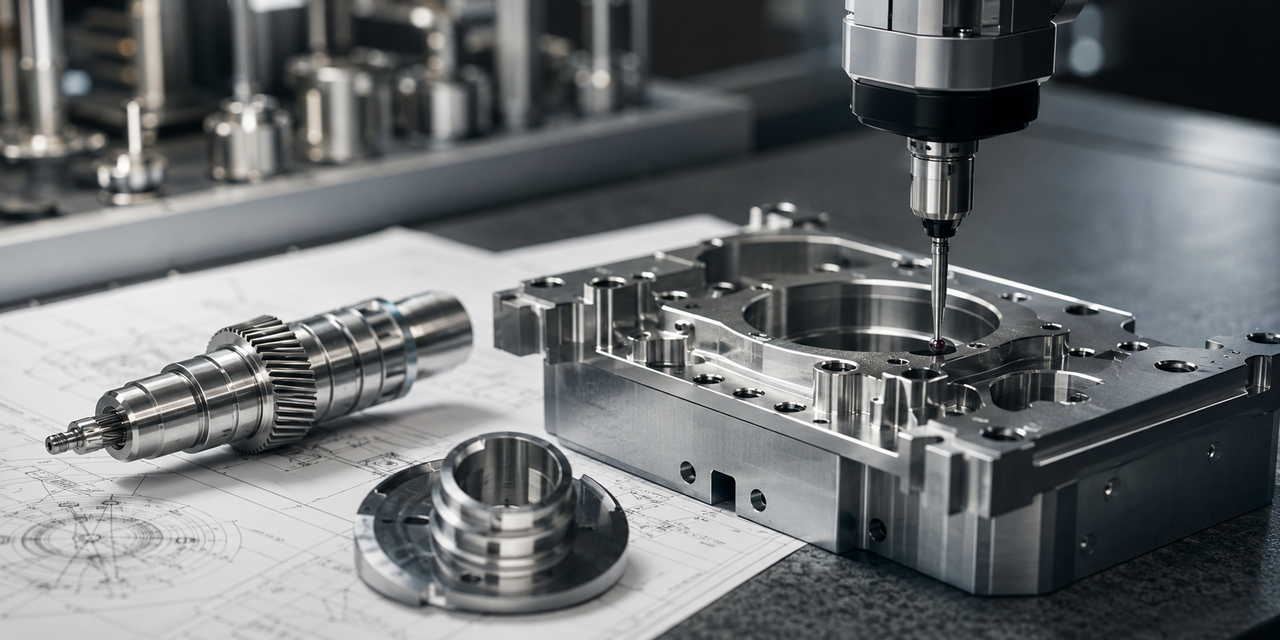
Integrated Machining Capability
Machining Support Built Around Component Requirements
Machining requirements are coordinated according to component geometry, material, tolerances, production volume, and final assembly needs. This allows CNC operations to connect effectively with forging, rubber components, tooling, product development, and quality verification.
Core Machining Support
From Precision Features to Production-Ready Components
CNC machining support is planned around functional requirements and the manufacturing sequence of each component.
Precision Turning
Controlled machining of shafts, sleeves, bushings, cylindrical features, and other rotational components.
CNC Milling
Machining support for mounting faces, profiles, holes, slots, and application-specific component geometry.
Forged-Part Finishing
Precision finishing of forged suspension and steering components to establish controlled assembly interfaces.
Tooling & Fixtures
Fixture and process coordination designed to support repeatable positioning and production consistency.
Prototype Support
Machining coordination for development samples, prototype evaluation, design review, and production preparation.
Production Coordination
Qualified machining resources are selected and managed according to technical, capacity, quality, and delivery requirements.
Coordinated Process
One Controlled Path from Drawing to Verification
Each program is coordinated through a structured process that connects technical requirements with machining execution and inspection.
Requirement Review
Drawings, samples, materials, critical dimensions, and production expectations are reviewed.
Process Planning
Machining sequence, tooling, fixtures, inspection points, and suitable production resources are coordinated.
Machining
Components are machined according to the approved process and relevant dimensional requirements.
Verification
Critical features, interfaces, dimensions, and production consistency are checked before delivery.
Quality Coordination
Precision Is Verified, Not Assumed
Inspection requirements are defined according to the component and its application. Critical characteristics can be coordinated from development samples through ongoing production.
Component Applications
Machining Support for Automotive and Custom Programs
Suspension Components
Machined mounting points, bores, interfaces, and functional features for forged suspension components.
Steering Components
Precision-machined metal components and interfaces developed around fit, movement, and assembly requirements.
Custom Machined Parts
Development and production coordination based on customer drawings, samples, material specifications, and application requirements.
Discuss Your Project
Looking for Dependable CNC Machining Support?
Share your drawings, samples, tolerances, materials, or application requirements with SAS-168 to discuss development and production support.
Contact SAS-168